Insight
Protecting Brands from Fake Ads and Social Media Impersonation: A 24/7 Playbook for Japanese Enterprises

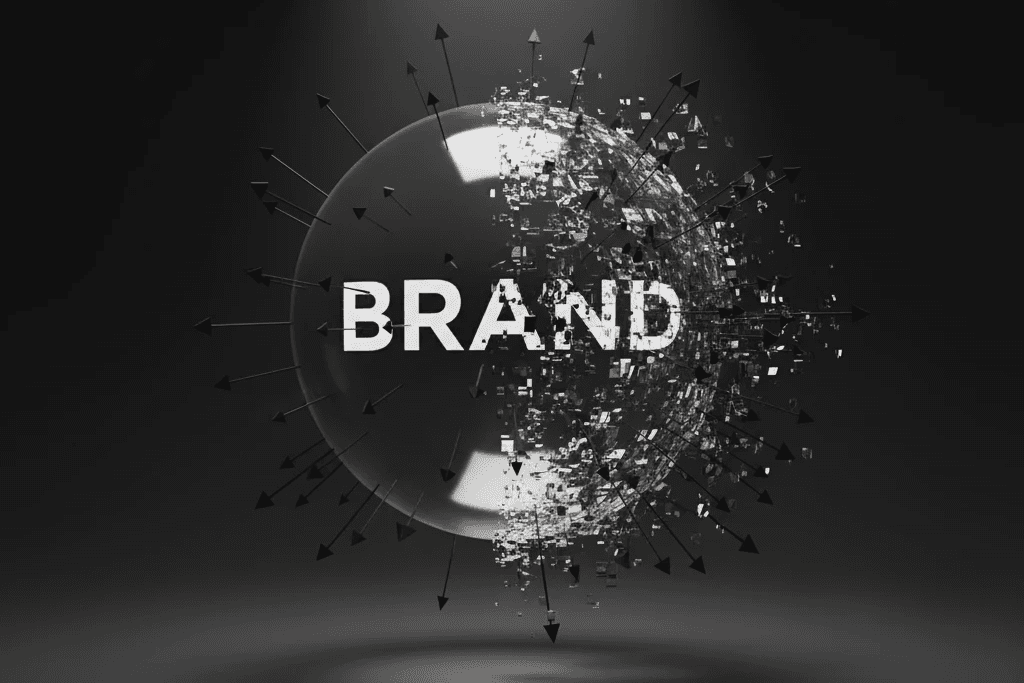
"Coordinated campaigns" combining impersonator accounts with deceptive ads are rapidly scaling and becoming more sophisticated, driven by generative AI. In fact, in 2024, Google blocked or removed 5.1 billion ads, restricted 9.1 billion, and suspended 39.2 million advertiser accounts. Policy enforcement is also tightening, including Unacceptable Business Practices (UBP) policies targeting public figure impersonation. Based on the latest guidelines from the Ministry of Internal Affairs and Communications (MIC) and major platform terms of service, this article introduces a playbook to execute the detection → containment → evidence collection → takedown → recurrence prevention cycle within 24 hours, alongside KPI design for continuous improvement.
Why "Fake Ads × Impersonation" Matters Now
The recent surge in damage from fake advertisements and brand-impersonating social media accounts is driven by a combination of factors. First, there is a structural vulnerability where attackers can borrow the "trust" of advertisement networks. Simply being displayed at the top of search results or within social media ad spaces makes fake ads appear legitimate, a trend highlighted by Wired in their coverage of the sharp rise in search-based malvertising. Furthermore, the widespread adoption of generative AI has simultaneously elevated both the volume and quality of these threats. Attackers can now mimic logos, generate deepfake audio and video, create fake reviews, and run rapid iterations of massive creative assets at a fraction of their historical cost. Domestically, there is a growing push towards establishing advertiser accountability. In June 2025, Japan's Ministry of Internal Affairs and Communications (MIC) released its "Guidance for Advertisers," outlining clear frameworks for governance, contracting, and monitoring.
Yagura Perspective: Threat actors use generative AI to minimize costs while launching highly distributed, concurrent attacks across multiple languages and channels. Organizations must respond by using generative AI to automate detection, evidence collection, and reporting quality to transition to a continuous, proactive defense.
1. The Threat Scenario Lifecycle
Typical Attack Flow
1) Establishing a fake brand account (mimicking profiles, links, and posts)
2) Publishing fake ads (finance, investment, fraudulent e-commerce, malicious app distribution, etc.)
3) Directing users to a fake landing page (form submissions, wallet connections, app downloads)
4) Harvesting PII/funds → Inundation of inquiries to official support channels (straining customer support)
Key Indicators of Compromise (Early Warning Signs)
These attacks can be detected early through key warning signs. A sudden spike in CTR/CVR on branded search queries is a primary indicator. Within ad consoles, this may manifest as a sudden surge in invalid traffic or ad rejections. On social media, a rise in user posts asking "Is this official?" or screenshots showing direct messages prompting users to external links are typical warning signs. Additionally, security teams must monitor for "similar but different" creative assets mimicking logos, color schemes, and fonts.
The Situation in Japan
Surveys by the Japan Patent Office (JPO) and JETRO map out the relationship between social-media-driven scam ads and intellectual property infringement, alongside reporting workflows for each platform. This data confirms that brand owners' responses are often reactive.
2. Global Regulatory and Platform Updates
Google (Large-Scale Ad Enforcement)
Google continues to crack down on ad violations, blocking/removing 5.1 billion ads, restricting 9.1 billion ads, and suspending 39.2 million advertiser accounts in 2024. When filing takedown requests, citing Misrepresentation or Unacceptable Business Practices (UBP) policies is highly effective. Google has also explicitly strengthened its enforcement against public figure impersonation.
Meta (Facebook/Instagram)
Meta updated its Brand Rights Protection (BRP) tool in August 2025. Even in the absence of direct trademark infringement, brand owners can now file bulk reports for scams and misleading ads exploiting brand names under the "Other" category, supported by a redesigned user interface (including features like Drafts).
X (formerly Twitter)
X provides dedicated impersonation reporting forms for corporations and brands, with explicit workflows that allow submissions even without an active X account.
Japanese Domestic Guidance (MIC)
The "Guidance for Advertisers" published on June 9, 2025, requires organizations to implement executive oversight, brand safety clauses, ad blocking, safelists, visibility controls, and periodic reviews.
Yagura Perspective: Rules only benefit those who know how to leverage them effectively. The core operational challenge is to standardize policy-based arguments paired with high-integrity evidence to reduce the platform-specific Time to Resolution (TTR: time from report to takedown).
3. Anatomy of an Attack: 4 Elements Amplified by Generative AI
1) Rapid Asset Generation: Quick creation of lookalike logos, fake product demo videos, and AI-generated celebrity endorsements.
2) Domain and Account Rotation: Generating accounts in volume to ensure at least some bypass platform review processes.
3) Ad Optimization Exploitation: Leveraging automated ad algorithms to accelerate distribution to high-converting, vulnerable targets.
4) Cross-Border, Multi-Lingual Campaigns: Running campaigns in Japanese combined with English, Chinese, or Romanized text to hijack branded search traffic.
Supporting Material: On search/SNS malvertising and the exploitation of "advertising = trust."
4. First 24-Hour Incident Playbook (Detect → Contain → Evidence → Takedown → Prevent)
T0–2h (Detection)
Upon receiving a detection alert, immediately create a ticket in Jira/Notion containing the incident_id, ad platform, creative ID, and landing page URL. Concurrently, distribute pre-approved QA templates for Customer Support (stating official URLs, known fraudulent payment methods, etc.) and post immediate, low-key, but timely warnings on official social media channels.
T2–6h (Containment)
Initiate requests to pause active ads, suspend offending accounts, and freeze associated payments on the platform. For search ads, update trademark protections, refresh safelists, and adjust bidding/negative keywords for the hijacked search queries. If the scale of exposure and estimated MTTD suggest severe impact, trigger a P1 Incident Declaration based on established criteria.
T6–24h (Evidence, Takedown, Prevention)
Package all incident evidence (video, screenshots, HAR files, Whois data, and unique ad IDs). Submit a report to Google citing Misrepresentation/UBP policies, explicitly highlighting UBP for public figure impersonation. Use Meta's BRP to file bulk reports under "Ads → Other" for scams and misleading ads, and file impersonation reports to X via their Impersonation Form. Simultaneously, take preventive measures by registering typo domains, updating block/safelists, and revising internal training programs.
Yagura Perspective: By automating detection and evidence collection via generative AI, target SLAs of "triage within 2 hours, takedown within the same business day" become a realistic operational goal.
5. The Evidence